Own field engineers
Regional, on call, covering hundreds of sites each
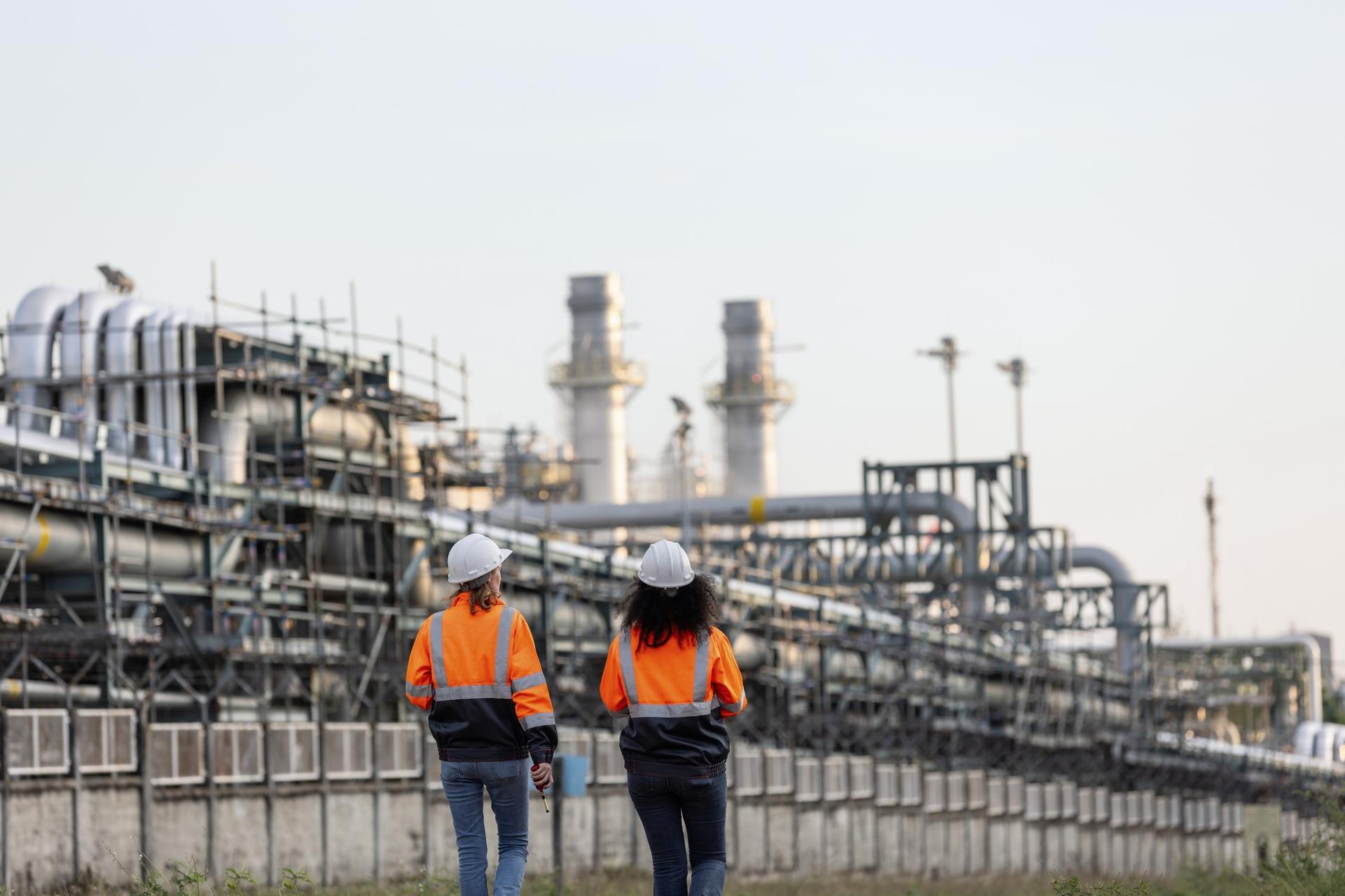
Telecom exchanges, water treatment works, substations, thousands of sites, no reception, no security officer. Every visit tied to a reason.
Your critical assets have nobody standing by
Regional, on call, covering hundreds of sites each
At many operators, the majority of site visits
Vendor engineers reaching the control systems
Arriving mid-incident, sometimes from another operator
NIS2 essential entity · CER · sector regulator
NIS2 made this personal for your board. A key that opens 1,000 sites and cannot be withdrawn is no longer a facilities habit. It is a reportable risk with a name attached to it.
Utilities & Critical Infrastructure
An unmanned site, a subcontracted engineer who has never been there, and a restoration clock already running.
Dispatch raises the work order and the access follows the job. No keyring that has lived in a van for 6 years.
Competence and authorisation for this type of site are confirmed before dispatch commits the engineer to it.
The cabinet, the building or the control room. For the duration of the job and nowhere else on the network.
Restoration is logged, the access ends with it, and the site's own visit history is written as it happens.
Physical access to the assets and their control systems becomes a governed, evidenced process. It is restricted per site, recorded as it happens, and reviewable. Which is what the risk-management measures and management accountability under NIS2 require you to demonstrate.
Yes. Where we can read work orders from your dispatch or work-management system, the job creates the access. It is scoped to that site and that job, and closes when the job closes.
Subcontractor access ends on the day the contract does, across every site at once. Access is held against the contracting company as well as the individual engineer.
You judge something that runs on your own site. Your access systems and readers stay where they are. If it earns its place, we extend it site by site.
One siteOne populationYour readers stay