Older than the threat it faces
Card technologies still in daily use were broken years ago, and some readers only ever read a serial number anyone can copy.
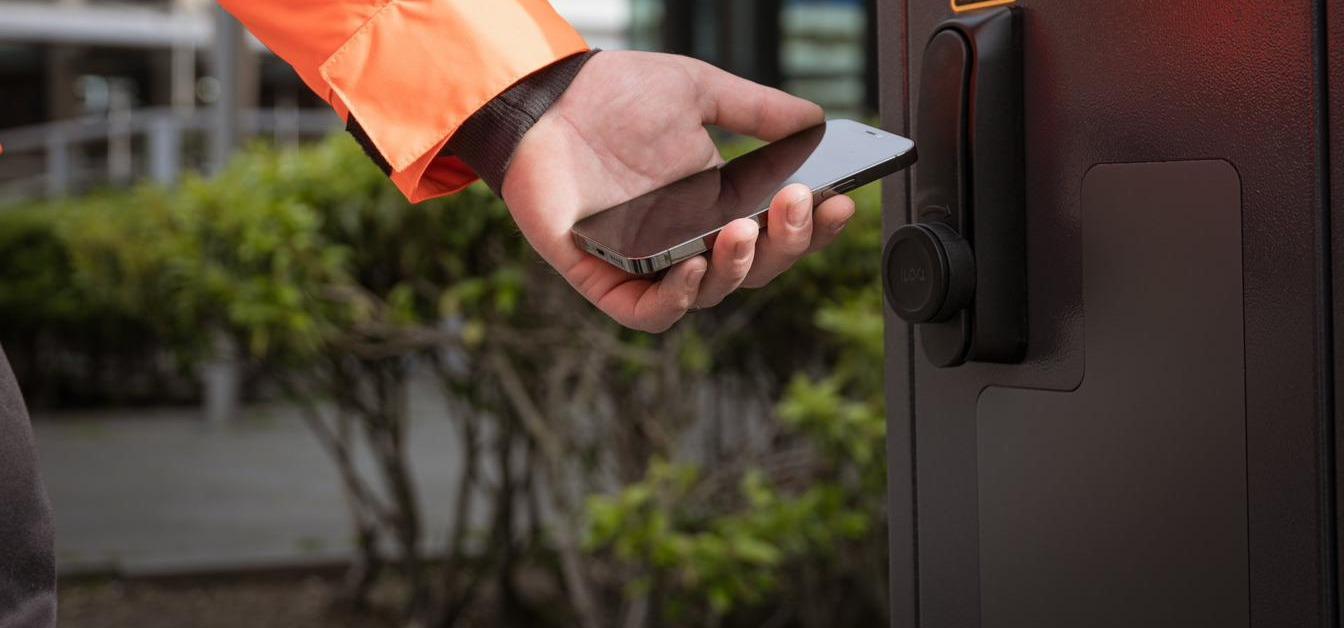
The card, the phone and the key it replaces, all issued, exchanged and retired against the same record. 1 lifecycle for all of them.
Everyone moving to a newer badge runs into the same 4 problems, and usually postpones them. The card base is the part nobody wants to touch.
Everyone moving to a newer credential meets the same 4 problems, and usually postpones them.
Card technologies still in daily use were broken years ago, and some readers only ever read a serial number anyone can copy.
Replacing the access platform means replacing readers. The moment the readers change, every card has to change with them.
Thousands of people, across sites and shifts, through a desk. Weeks of security and HR time, paid for in lost productivity.
Collection is voluntary. Part of the old card base stays live and unaccounted for, exactly what an auditor asks about.
Card, mobile or wallet, the technology it carries, when it was issued and when it stops working.
How much of the card base has moved, how much has not, and which population is still on the old credential.
Every old badge recovered against a person, and a list of names for the ones still out there.
A dual-technology card carries the old credential and the new one together. Both keep working from day one and the migration has no cut-over weekend.
Physical to mobile too, when you are ready. Wallet provisioning, issued against the same identity record.
The credential follows the person. When the identity closes, the credential closes with it, whatever form it takes.
6,000badges swapped
6,000 badges swapped at the machine in a few weeks.
The old badge collected, the new one printed, personalised and encoded to MIFARE DESFire EV3, without anybody at a desk.
4,000badges re-coded
4,000 badges printed and coded to a new DESFire key while the site moved from one system to another.
Handheld scanners stayed in sync, and a badge could be checked anywhere during the change.
Named references are shared under a non-disclosure agreement.
Yes. A dual-technology card carries both the old and the new credential. The population moves gradually while both systems keep working. People swap their badge at a self-service terminal or a desk encoder, with no queue at reception.
The terminal takes the old badge in, captures it and retires it against that identity with a record of the return. What is left is a list of names for the badges still out there, instead of a number nobody can pin down.
Yes, mobile credentials and wallet provisioning, issued against the same identity record that grants the access. It is 1 lifecycle, whatever people carry.
You judge something that runs on your own site. Your access systems and readers stay where they are. If it earns its place, we extend it site by site.
One siteOne populationYour readers stay