Vulnerable points first
The standards ask you to identify the points where product could be reached and restrict those specifically. A site-level badge does not answer a room-level question.
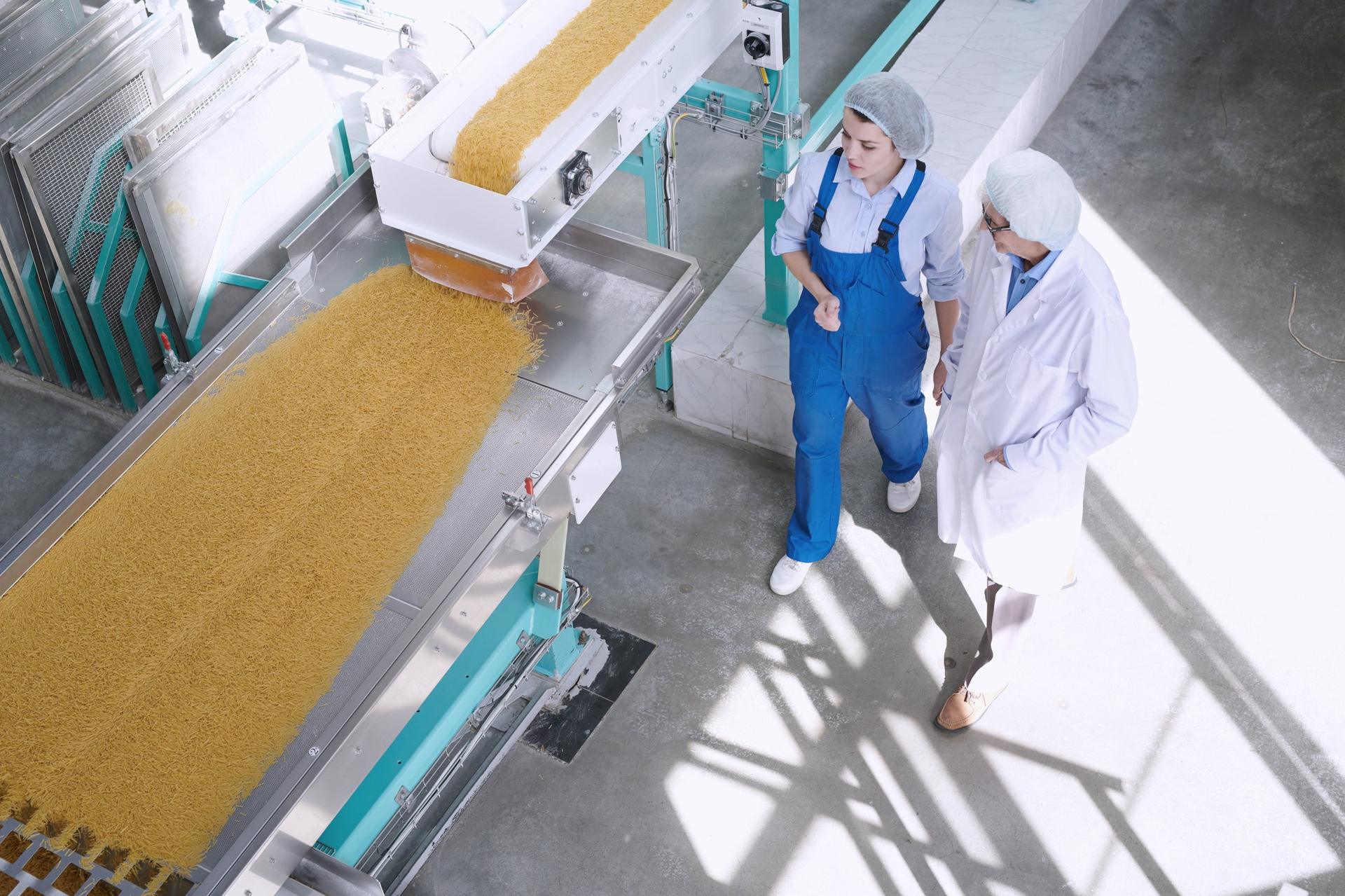
IFS, BRCGS and FSMA intentional adulteration rules ask you to identify vulnerable points and restrict them to authorised persons. Contractors and visitors are controlled at those points, and never only at reception.
The standards ask you to identify the points where product could be reached and restrict those specifically. A site-level badge does not answer a room-level question.
Restriction has to be to authorised persons, which means the authorisation exists somewhere as a record. With the training that justified it and the date it ends.
Control at reception is not control at the mixing room. The population that matters most here is the one that changes fastest: agency, seasonal, cleaning and maintenance.
The audit question is rarely 'do you have a plan'. It is 'prove it worked on this date, for this room, for this person', increasingly unannounced.
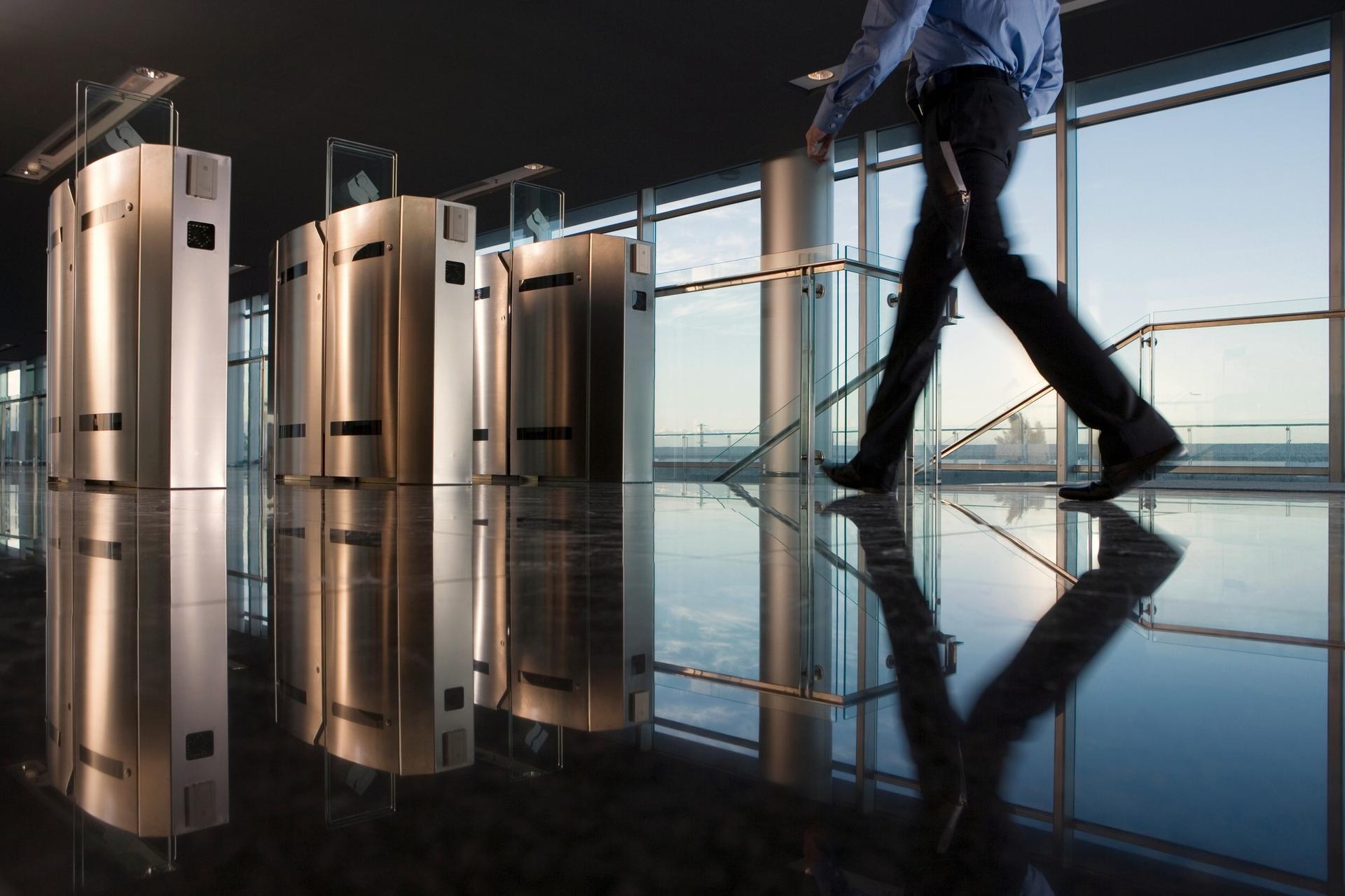
Axxession gives you the records Food defence asks for, ready to show an auditor. Compliance itself also rests on your own policies, risk assessment and controls. Nothing here is legal advice.
Both expect identified vulnerable points to be restricted to authorised persons, with contractors and visitors controlled at those points and the restriction evidenced. The emphasis is on the specific zones where product could be reached, and never on the site perimeter alone.
It is a visual convention, and not a control. Anyone who puts on a different coat. Auditors increasingly want the restriction enforced at the door and recorded per person.
The agency loads worker details and completed training before anyone travels. Access is scoped to the lines and rooms in the assignment, with its last day already on the grant.
You judge something that runs on your own site. Your access systems and readers stay where they are. If it earns its place, we extend it site by site.
One siteOne populationYour readers stay